Carl's Fencing, Decking & Home Improvements
3468 US-9, Freehold 07728
HIC registration stated 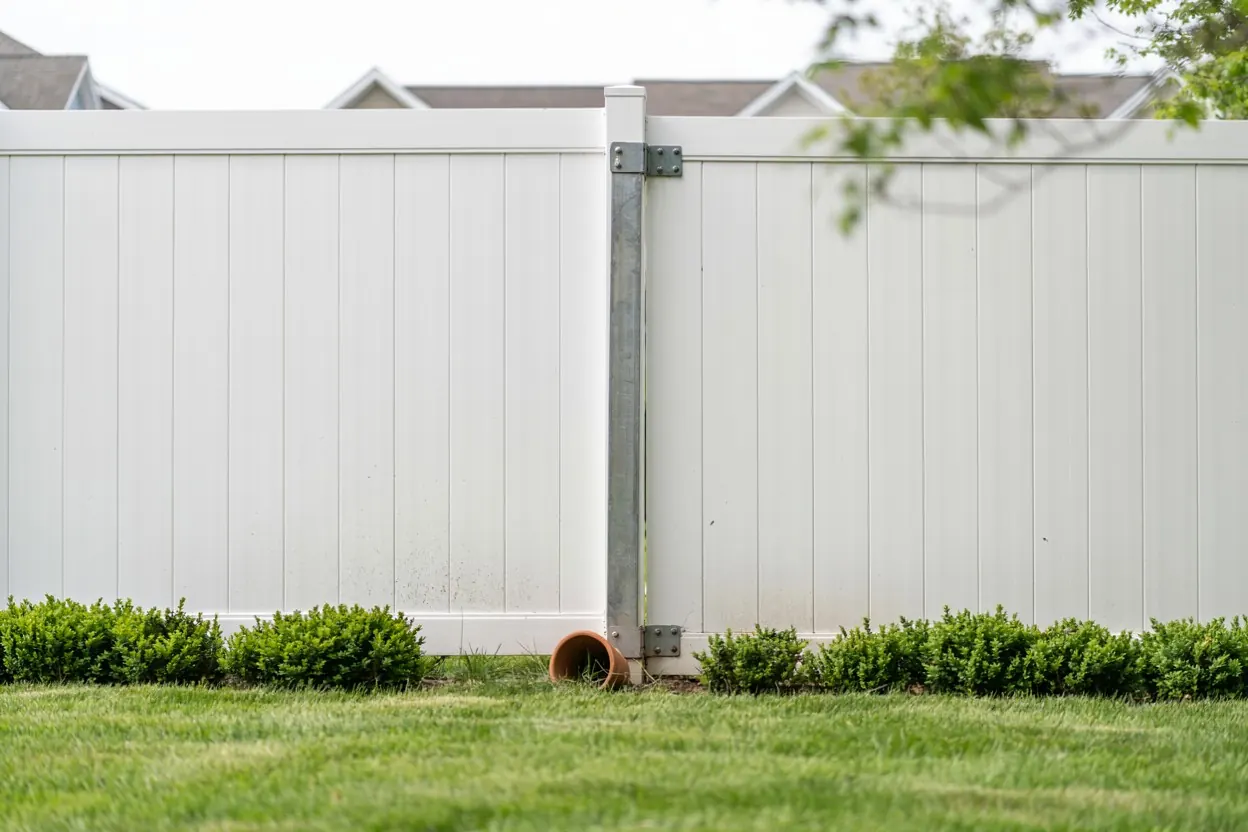
165 New Jersey fence contractors confirm this work on their own websites — 66 state their NJ HIC registration. Grouped by county below.
Vinyl is the most common fence material in New Jersey subdivisions: no painting, holds up to freeze-thaw cycles, and comes in privacy, picket and ranch-rail styles. The companies below describe vinyl fence installation on their own websites.
3 featured spots available
Put your company at the top for Vinyl Fence Installers statewideThis directory does not publish price tables. Fence pricing in New Jersey moves with lumber, vinyl and steel prices, labor demand and the yard itself, so any figure printed here would go stale fast. What the editor can say is what sets the price. Linear footage is the base. Material comes next: chain link, wood, vinyl, aluminum and steel sit on a rising scale. Height adds post length, more concrete and more panel. Gates, slopes, rock, tree roots and tight access add labor. Removing an old fence is a separate line. Fence work is almost always bid as a fixed price for a measured run, not by the hour. The clearest way to learn current pricing is three written quotes for the same layout and material.
Yes. A homeowner may build a fence on their own property. The permit rules still apply. Most New Jersey towns require a zoning permit for any fence, and the state construction code requires a construction permit for a fence over six feet or any pool barrier. The homeowner must also call 811 before digging and wait three business days for utility mark-outs. Doing it yourself saves labor but not materials, concrete or tool rental. Chain link and panelized vinyl are the most forgiving for a first-timer. Post alignment, depth and plumb are where most self-built fences go wrong. Anyone paid to build the fence for you must be registered as a home improvement contractor with the state.
Yes, if the recorded declaration says so. HOA covenants in New Jersey commonly limit fence height, material, color, style and placement and require architectural committee approval before the town permit. Courts read those covenants strictly. In a May 2025 Appellate Division case, Estates at Layton's Lakes v. Watson, the association tried to apply a 30-foot setback for accessory buildings to a fence. The court held that the fence section of the declaration controlled, that it deferred to the township ordinance, and that the owners' four-foot open fence could stay. Two lessons follow. Get the committee's written approval and keep it, and read the fence section of the declaration yourself rather than relying on what a board member says.
This directory does not rank companies and does not name a best one. It can list the checks that matter. Confirm the 13VH registration is active on the state verification site and that the registered name matches the contract. Ask for the liability insurance certificate and call the insurer. Get three written quotes for the same run, height, material and gate count. Ask who pulls the zoning permit and who calls 811. Ask to see a fence the company built two or more winters ago, since heaving and sagging show up after freeze-thaw, not on install day. Be cautious with a quote that arrives without a site visit or a contractor who wants most of the money up front.
Each handles New Jersey weather differently. Freeze-thaw heaves shallow posts of any material, so post depth matters more than the panel. Aluminum does not rust and suits coastal salt air, but its open pickets give no privacy. Vinyl does not rot and is common at the shore, though cheap thin-wall vinyl can crack in deep cold and sail in wind. Pressure-treated or cedar wood is the privacy standard and needs staining. Chain link is the most economical and the most wind-tolerant because air passes through. Composite fencing costs more than vinyl and is heavier. Snow load mostly affects horizontal boards and gates. Ask what gauge or wall thickness is quoted, since that is where brands differ.
Aluminum and galvanized steel generally outlast everything else because they do not rot and resist corrosion. Vinyl is next and can last decades if the panels are thick enough. Chain link lasts a long time, with the fabric outliving cheap posts. Wood depends on species, treatment and staining, and in New Jersey the posts fail first at the soil line. Welded wire lasts as long as its coating, with vinyl-coated wire outlasting plain galvanized. The single biggest factor is the posts. A deep, well-drained post in concrete with a crowned top sheds water and survives frost. A shallow post in a wet hole fails regardless of what is bolted to it. Ask for the post spec on every quote.
A dog fence should be one the dog cannot see through, climb or dig under. Solid vinyl or wood privacy panels reduce fence-running at passing dogs and people. Aluminum and chain link work for calm dogs but let a reactive dog see everything. Height should match the dog; six feet for large or athletic breeds. For diggers, bury a wire apron or set pavers along the inside line. Gates need latches that a nose cannot lift. A fenced dog run can use shorter, cheaper fencing inside the main fence. Low-voltage containment wires are an option but are not a physical barrier and do not satisfy any town's fence rule. Check the ordinance for front-yard limits before enclosing the whole lot.
This directory does not track trends. A few things hold up. Dark colors, black and deep green, recede against plantings and make a small yard read larger. White is the most common vinyl color in New Jersey and shows mildew sooner. Tan and gray vinyl hide dirt. On wood, natural and cedar-toned stains age better than solid bright colors, which fade unevenly. Dark vinyl and composite absorb heat and can warp in full sun, so ask about the manufacturer's heat rating. HOA declarations often fix the allowed colors, and the Layton's Lakes case involved a covenant limiting fences to white PVC, black aluminum or wood. Check the declaration before ordering a custom color.